
Adaptogenic plants
Adaptogens in the Morning or Evening: A Truly Useful Routine?
The time of intake depends on the plant, product, and your reaction. Build a cautious routine without accumulating supplements.
Read article →Zemny · Magazine
Evidence based guides to plants, their uses, limits and precautions.
23 articlesAdaptogenic plants
The time of intake depends on the plant, product, and your reaction. Build a cautious routine without accumulating supplements.
Read article →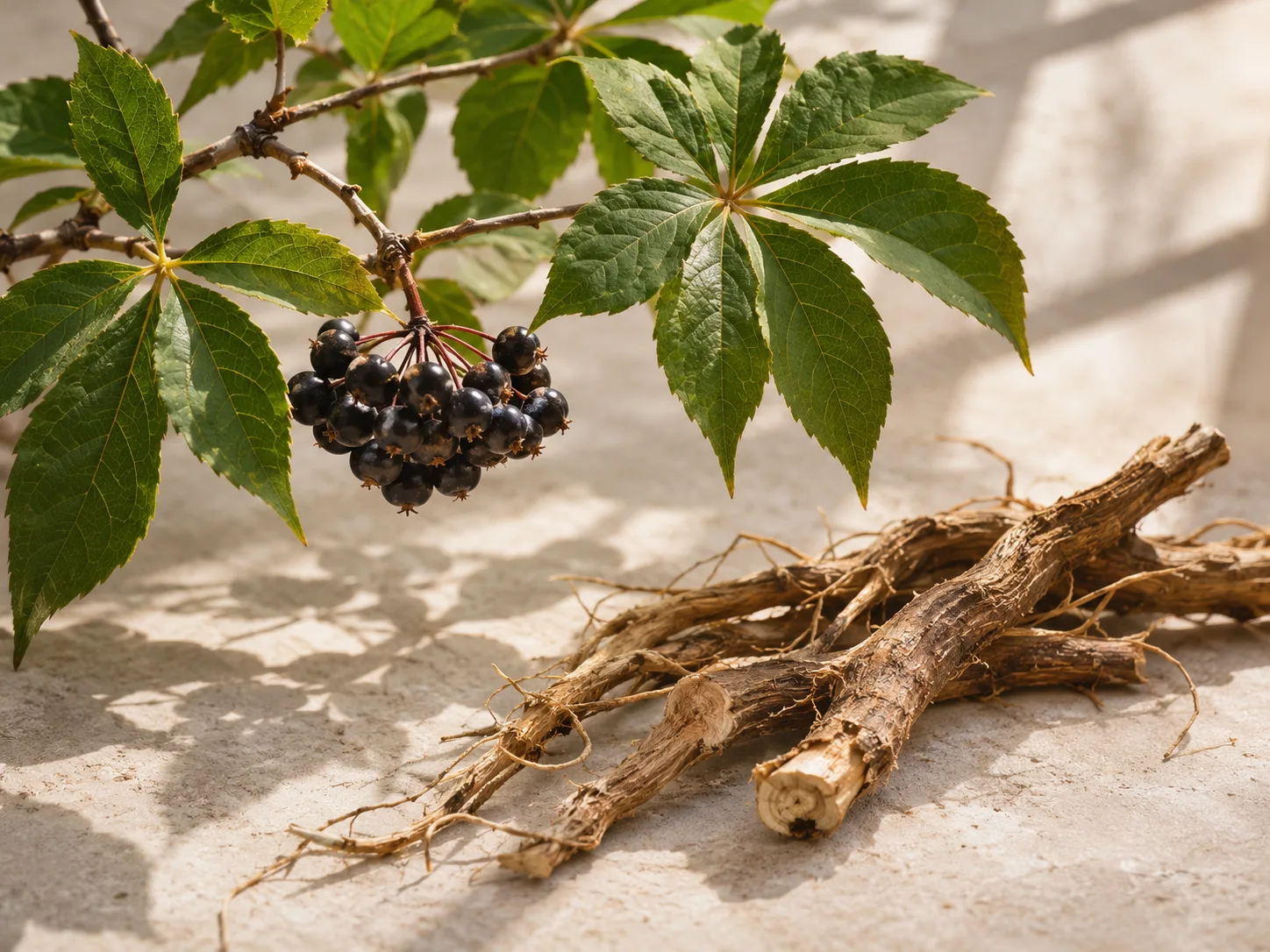
Eleuthero
Eleuthero has a misleading nickname. Botanical identity, uses and precautions to avoid confusing it with Panax ginseng.
Read article →
Adaptogenic mushrooms
Can Mushrooms Really be Called Adaptogenic? A Guide to Distinguish Species, Extracts, Evidence, and Precautions.
Read article →
Adaptogenic plants
Maca is often classified among adaptogens. Origin, food uses and reasons why this label deserves nuance.
Read article →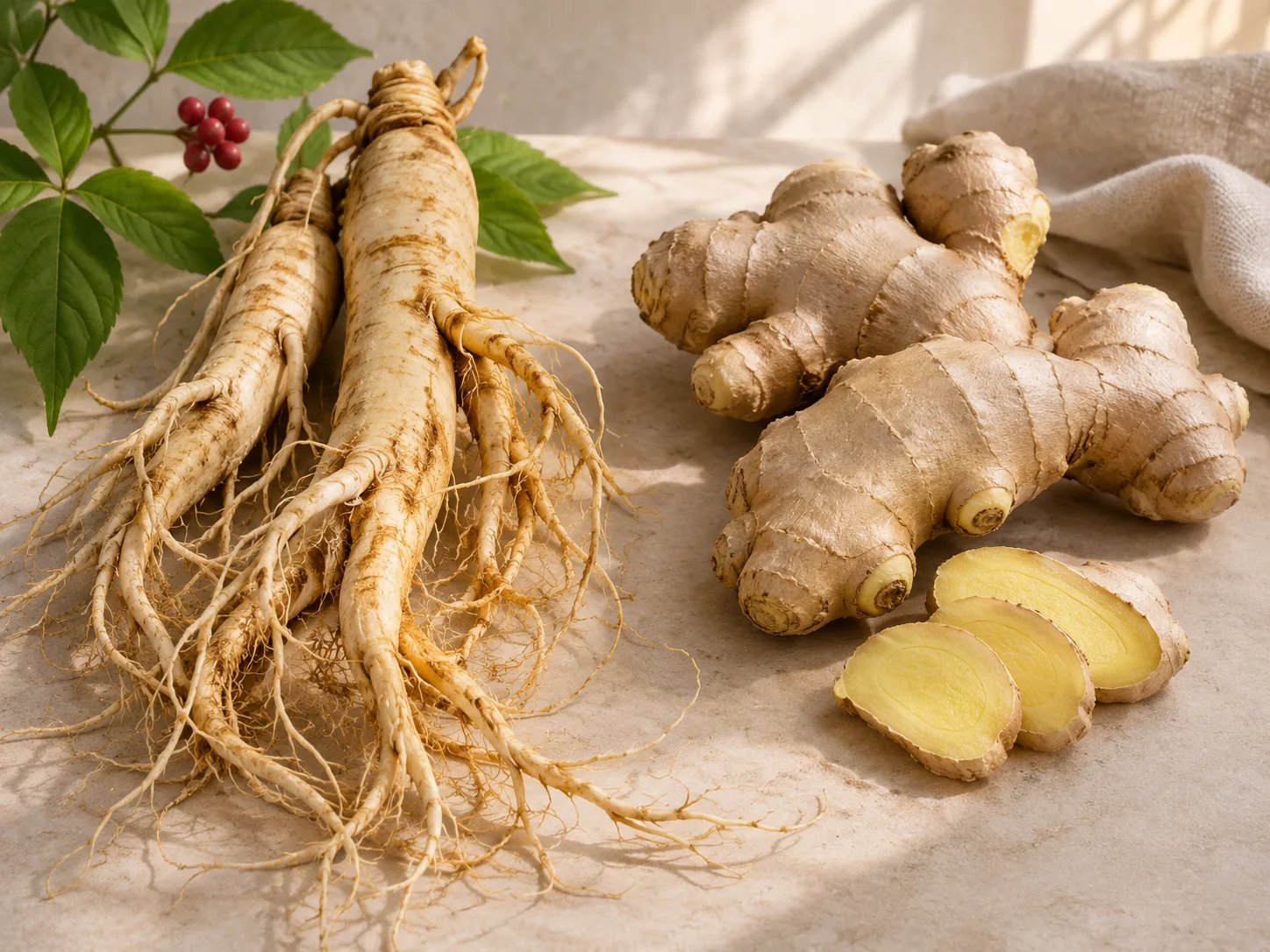
Ginseng
Their names resemble each other, but ginseng and ginger differ in their botany, compounds, and uses.
Read article →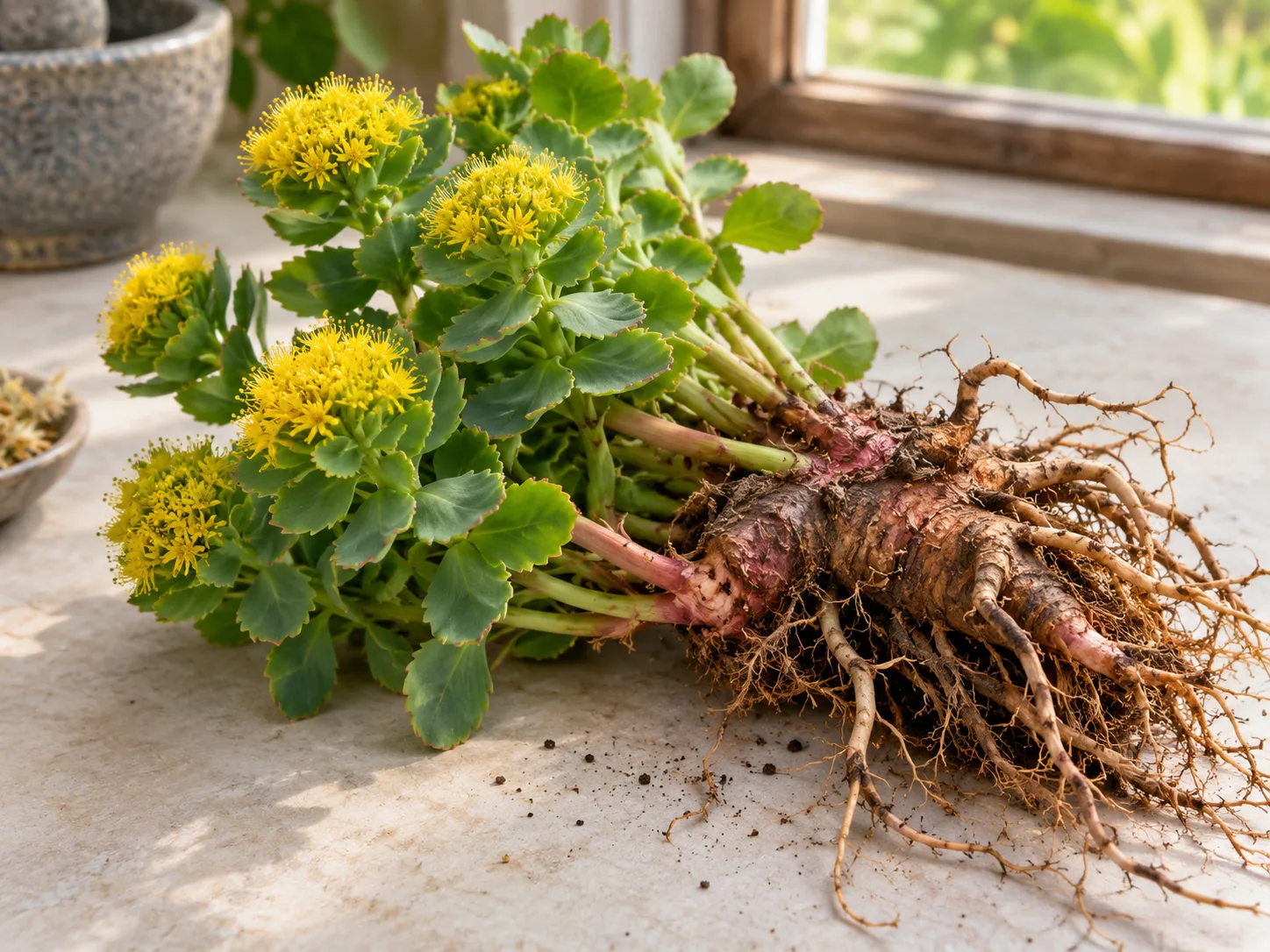
Adaptogenic plants
What we really know about rhodiola, a plant associated with fatigue and stress, according to the European monograph.
Read article →
Adaptogenic plants
Ashwagandha, ginseng, rhodiola, eleuthero, and others: a comparative overview without exaggerated promises.
Read article →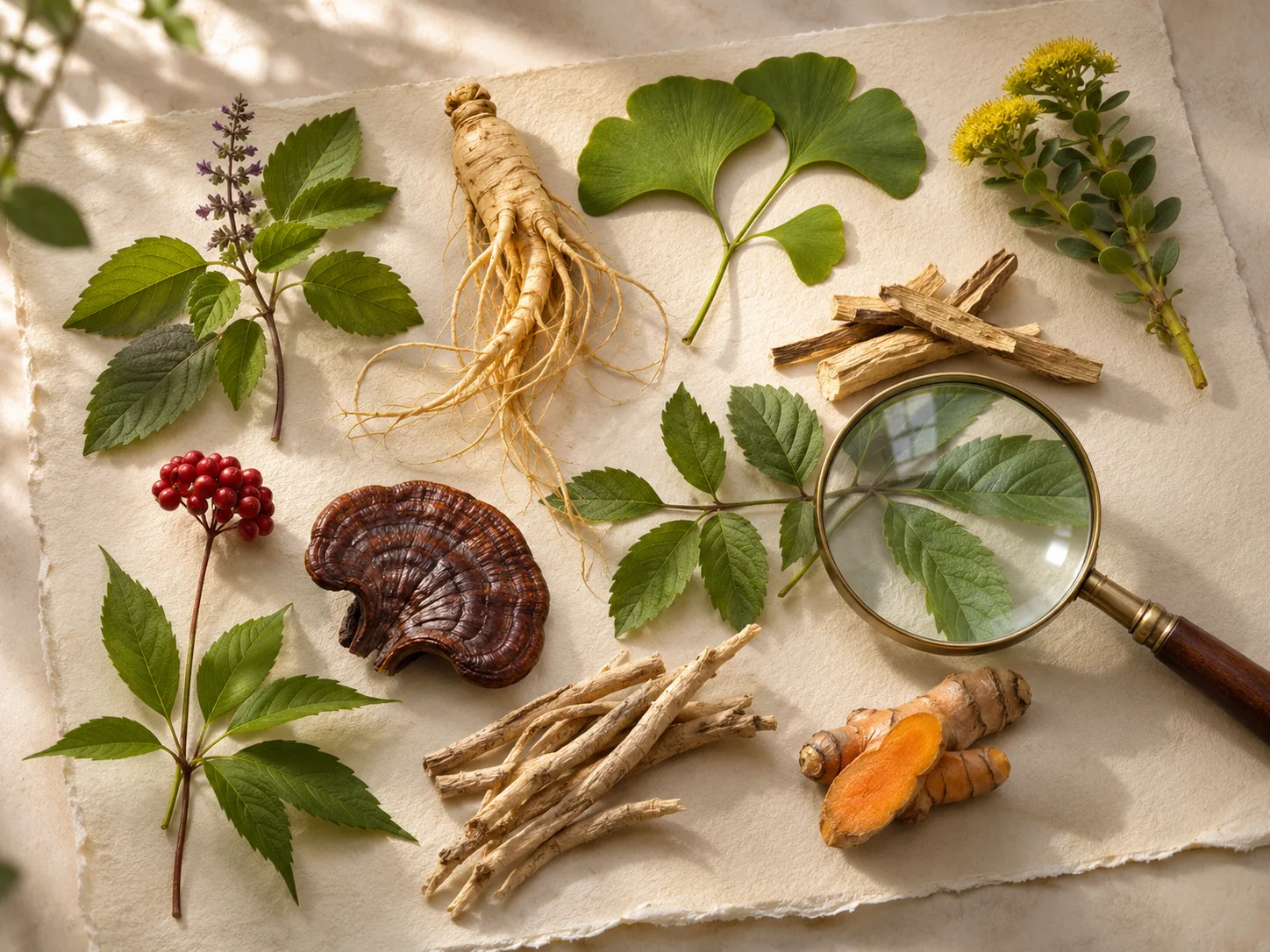
Adaptogenic plants
What does "adaptogen" really mean? History of the concept, criteria, and scientific limits of a word that has become very marketing-oriented.
Read article →
Ginseng
Insomnia, blood sugar, coagulation: the main precautions of Asian ginseng and situations that require advice.
Read article →
Ginseng
Does ginseng really help against fatigue? A precise look at the studies and causes not to be hidden.
Read article →
Ginseng
Panax ginseng, ginsenosides, origin and analysis: the concrete criteria for recognizing a well-documented ginseng.
Read article →
Ginseng
The red and the white often come from the same plant. Their difference lies mainly in the transformation and the profile of the ginsenosides.
Read article →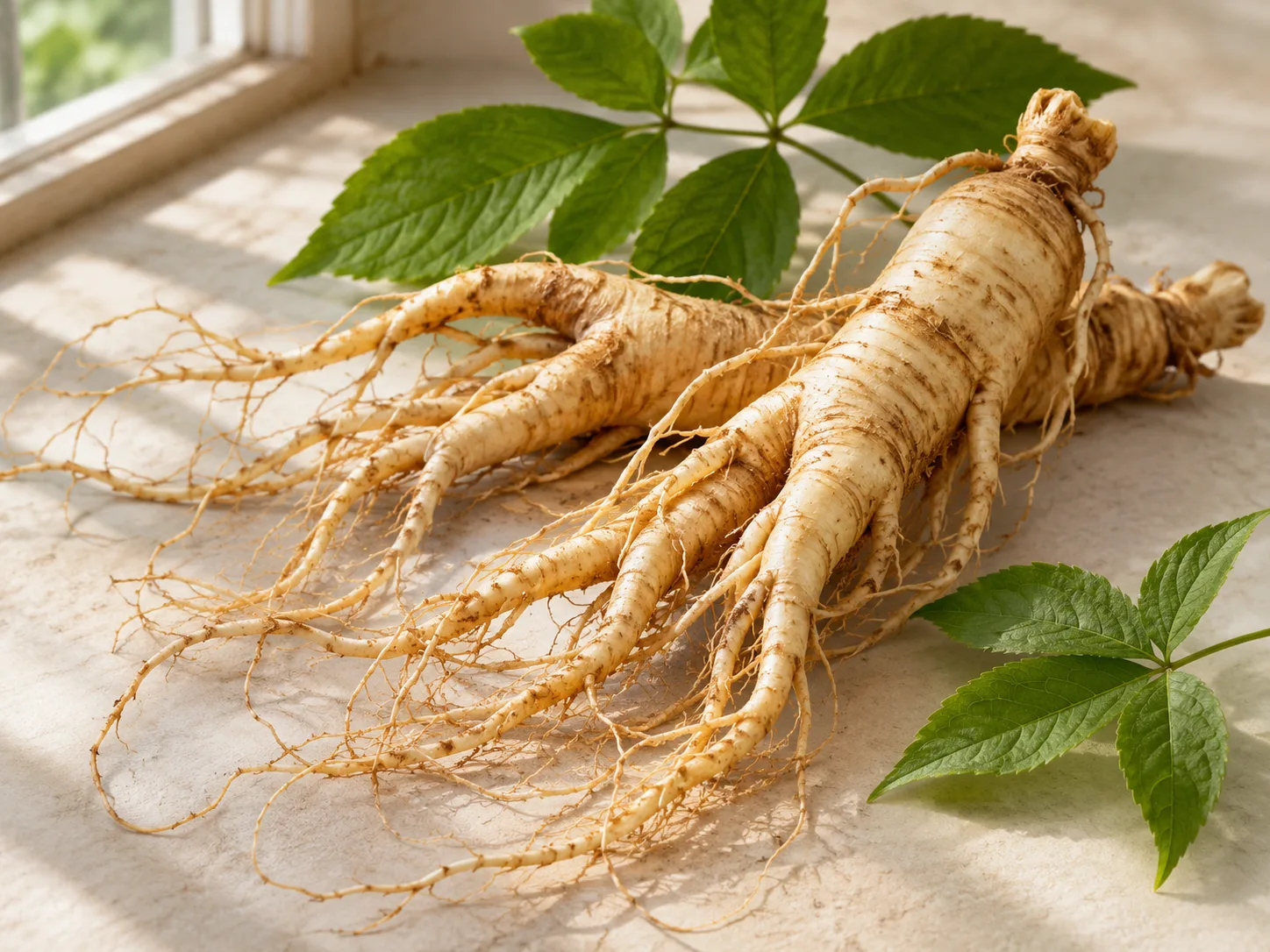
Ginseng
Origin, ginsenosides, traditional uses, and level of evidence: a comprehensive guide to real Asian ginseng.
Read article →
Ashwagandha
The risks of ashwagandha explained clearly: digestion, drowsiness, liver, thyroid and drug interactions.
Read article →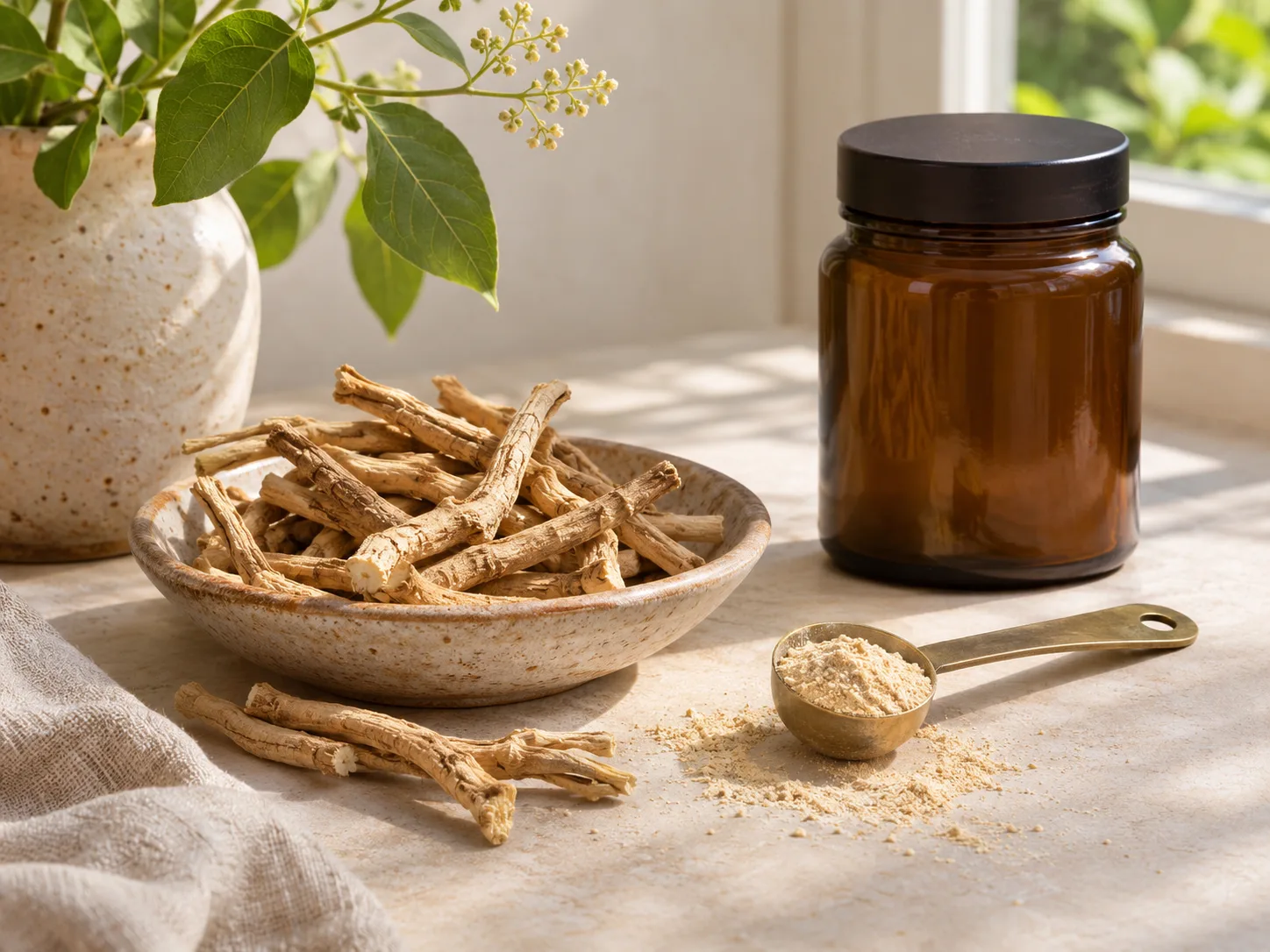
Ashwagandha
Time of intake, duration, follow-up: a prudent method to consider ashwagandha without turning a supplement into self-medication.
Read article →
Ashwagandha
Origin, compounds, uses and safety: comparing ashwagandha and ginseng without confusing them.
Read article →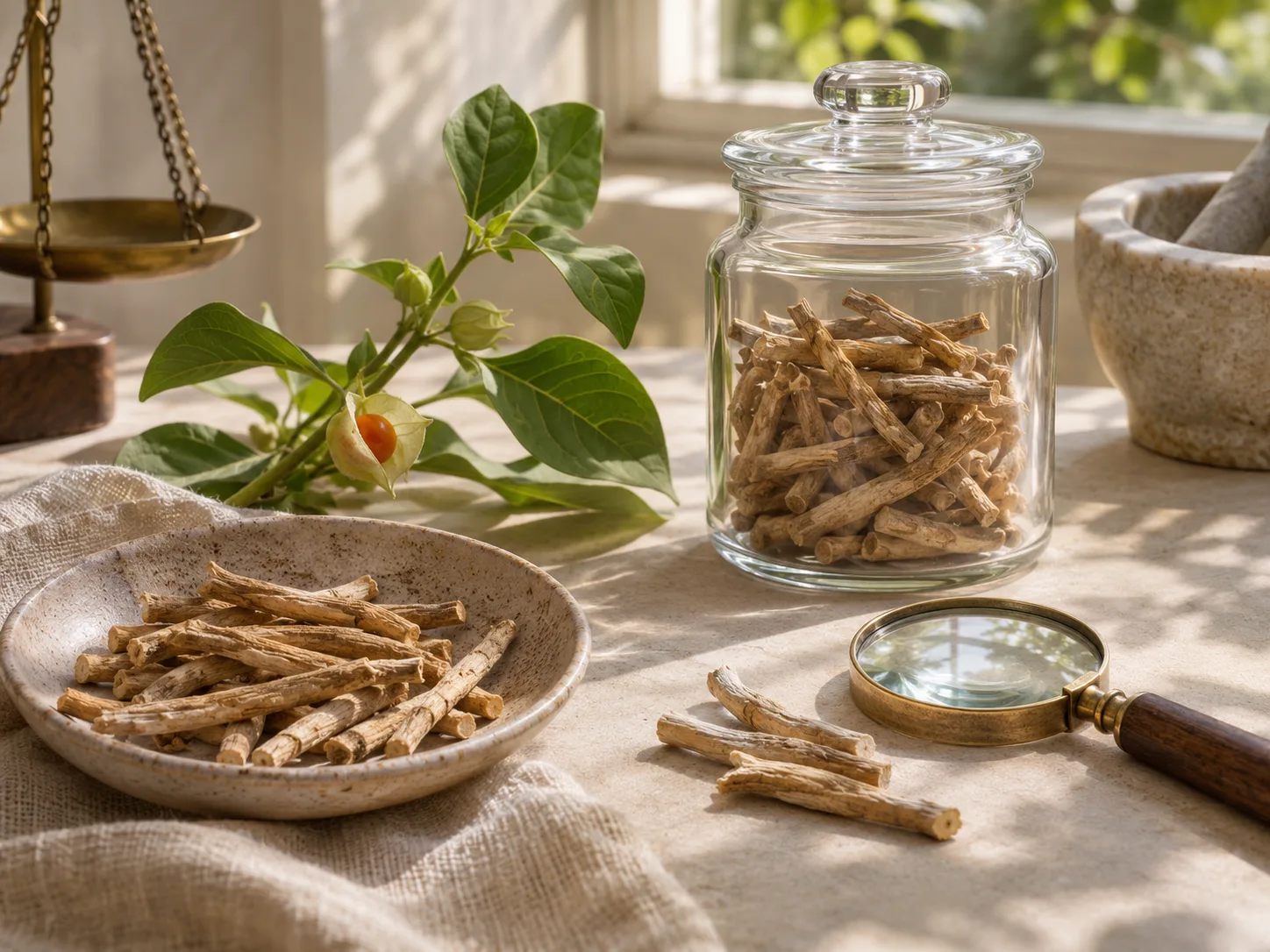
Ashwagandha
Root, leaves, withanolides, analyses: useful criteria for comparing ashwagandha supplements.
Read article →
Ashwagandha
A clear guide to understanding ashwagandha, its traditional uses, what studies really show, and its precautions.
Read article →
Ashwagandha
Sleep, falling asleep, recovery: what we know about ashwagandha and the limitations of available trials.
Read article →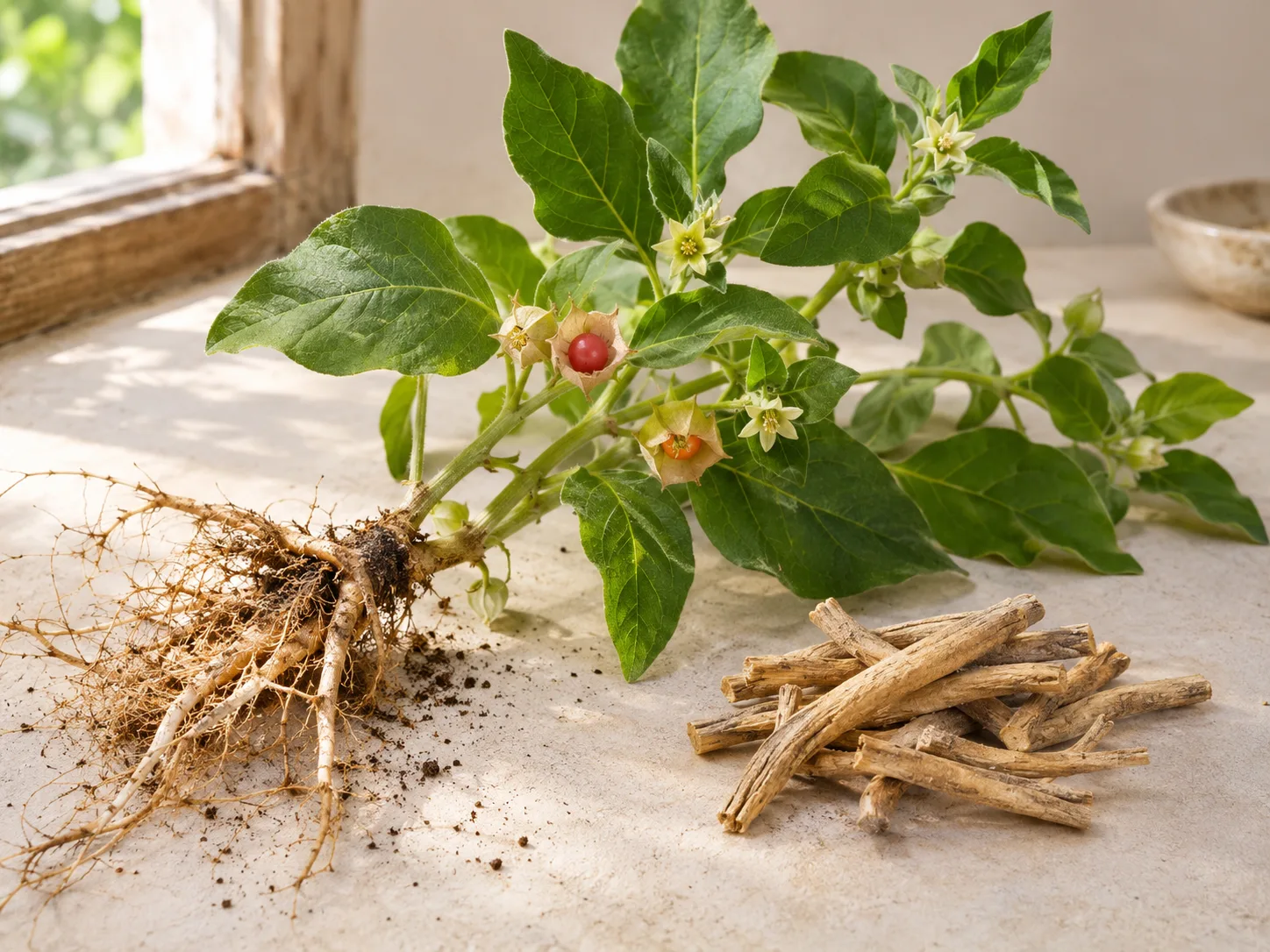
Ashwagandha
Ashwagandha is often sold as a stress remedy. Here is what studies actually show, without excessive promises.
Read article →
Adaptogenic plants
The corticotrope axis is the system that enables us to cope. It manages stress response, energy, inflammation, blood sugar, and salt balance. In endobiogeny, it is the first axis solicited in every adaptation of the organism: it is therefore at the heart of almost all terrain imbalances.
Read article →
Adaptogenic plants
When morale is low, we often look for a gentle solution before seeking medical help. Certain plants have been studied and can really help with mild to moderate mood swings. However, a "natural antidepressant" is not a harmless product: some plants have significant interactions, and real depression deserves support.
Read article →
Adaptogenic plants
Endobiogeny is a health approach that considers the body as a set of interacting systems, controlled by the hormonal system. It was developed in France from the 1970s by doctors Christian Duraffourd and Jean-Claude Lapraz. It relies on phytotherapy to rebalance the terrain, i.e., each person's way of adapting to their environment.
Read article →