The Corticotrope Axis (ACTH, Cortisol, Aldosterone): Understanding and Regulating through Plants
The corticotrope axis is the system that enables us to cope. It manages stress response, energy, inflammation, blood sugar, and salt balance. In endobiogeny, it is the first axis solicited in every adaptation of the organism: it is therefore at the heart of almost all terrain imbalances.
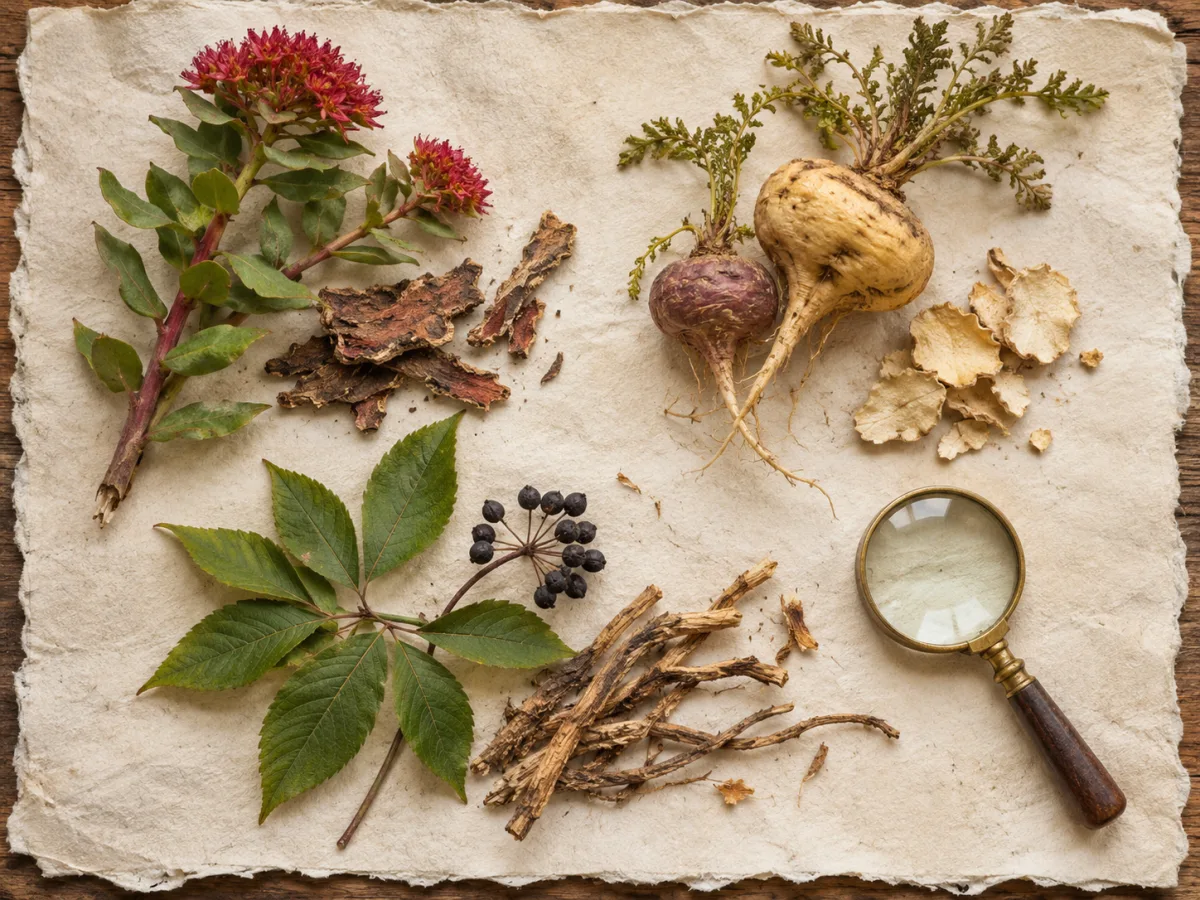
The corticotrope axis is the system that enables us to cope. It manages stress response, energy, inflammation, blood sugar, and salt balance. In endobiogeny, it is the first axis solicited in every adaptation of the organism: it is therefore at the heart of almost all terrain imbalances.
How the Corticotrope Axis Works
The corticotrope axis is a chain of command:
- The Hypothalamus releases CRH in response to stress, day/night rhythm, or energy needs.
- The Pituitary Gland responds by releasing ACTH.
- The Adrenal Cortex (the outer part of the adrenal glands) then produces:
– Cortisol, which mobilizes sugar, controls inflammation, and supports alertness; – Aldosterone, which retains salt and water and maintains blood pressure; – Adrenal Androgens (DHEA), involved in vitality, libido, and tissue construction.
Normally, cortisol is high in the morning to wake us up and low in the evening to allow sleep.
Endobiogeny Reading
Endobiogeny, developed by Dr. Christian Duraffourd and Dr. Jean-Claude Lapraz, considers the hormonal system as a set of axes that respond to each other. The corticotrope axis plays the role of conductor of adaptation:
- it “opens” each new phase of adaptation of the organism;
- it dialogues permanently with the neurovegetative system;
- it influences the thyroid (conversion of T4 to T3), the gonadotropic axis, and the somatotropic axis (insulin).
When it is over-solicited, it can first become overactive (high cortisol, disturbed sleep, anxiety, abdominal weight gain), then exhausted (deep fatigue, inflammation, allergies, hypotension).
Signs of an Imbalanced Corticotrope Axis
Overactive Axis: anxiety, nocturnal awakenings, abdominal weight gain, sugar cravings, rising blood pressure, irritability.
Exhausted Axis: fatigue upon waking, afternoon slump, chilliness, allergies, lingering inflammation, repeated infections, low blood pressure, dizziness when standing up, salt cravings.
Plants that Stimulate the Axis
They are suitable for fatigued terrain. Blackcurrant Bud is the reference: it stimulates ACTH and cortisol. Rosemary, Thyme, Savory, Scots Pine, Cinnamon, Ginger, Wild Rose, and Ash also support the adrenal cortex. Borage acts on cortisol and aldosterone.
Plants that Regulate or Slow Down the Axis
They are suitable for over-solicited terrain. Adaptogens like Ashwagandha and Rhodiola help the axis find its rhythm. Strawberry slows down ACTH.
Articles for Further Reading
- Adrenal Fatigue: Plants that Support Cortisol
- Anti-Stress and Anxiolytic Plants
- Joint Pain: Natural Anti-Inflammatory Plants
- Cold, Cough, Immunity: Plants for Respiratory Health
Precautions
- Stimulating plants for the axis should be avoided in the evening and in case of uncontrolled hypertension.
- In case of corticosteroid treatment, do not take corticotrope plants without medical advice.
- Persistent fatigue should always be subject to a medical check-up.
FAQ
What is the Corticotrope Axis? It is the hormonal chain that connects the hypothalamus, pituitary gland (ACTH), and adrenal glands (cortisol, aldosterone, androgens).
Which Plant for the Adrenal Glands? Blackcurrant bud is the reference plant.
Why does Endobiogeny Give so Much Importance to Cortisol? Because the corticotrope axis is the first solicited in every adaptation, and it influences all other axes.
All Plants in this Guide
- Ashwagandha (Withania somnifera)
- Borage (Borago officinalis)
- Cinnamon (Cinnamomum zeylanicum)
- Blackcurrant (Ribes nigrum)
- Strawberry (Fragaria vesca)
- Ash (Fraxinus excelsior)
- Ginger (Zingiber officinale)
- Scots Pine (Pinus sylvestris)
- Rhodiola (Rhodiola rosea)
- Rosemary (Rosmarinus officinalis)
- Savory (Satureja montana)
- Thyme (Thymus vulgaris)
- Wild Rose (Rosa canina)
The information in this article is provided for educational purposes only and does not replace the advice of a doctor, pharmacist, or professional trained in phytotherapy. Seek advice before any treatment, especially in case of pregnancy, breastfeeding, medication, or chronic illness.