Adaptogens in the Morning or Evening: A Truly Useful Routine?
The time of intake depends on the plant, product, and your reaction. Build a cautious routine without accumulating supplements.
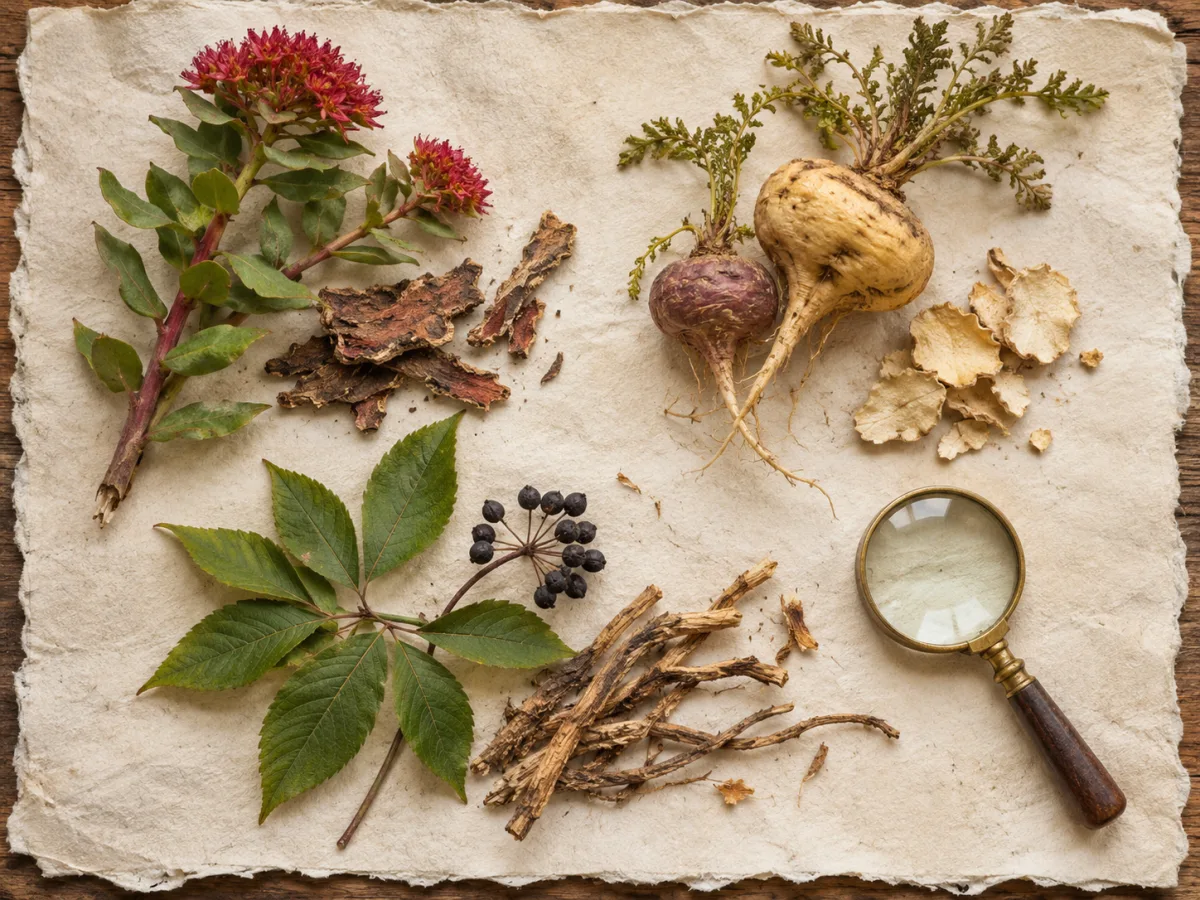
Online routines often willingly distribute ginseng in the morning, ashwagandha in the evening, and several powders in between. This simplicity is attractive, but it does not take into account individual differences or interactions.
The Morning is Not a Rule for Everyone
Ginseng or rhodiola may be felt as stimulants and disrupt sleep in some people. This explains their morning use, without guaranteeing they suit everyone.
The Evening Does Not Automatically Suit Ashwagandha
Ashwagandha can cause drowsiness in some, but not in all. An evening blend may also contain melatonin or other plants, which completely changes its profile.
Test One Variable at a Time
Starting several products on the same day prevents knowing what helps or what causes an undesirable effect. A cautious approach consists of considering only one clearly identified product and monitoring sleep, energy, and tolerance.
Avoid Accumulation
Two different products can contain the same plant. Functional beverages sometimes add caffeine, vitamins, and extracts without very readable quantities. Make a complete inventory, including teas and powders.
A Routine Must Be Able to Stop
Set a reassessment date. If the goal is not achieved, do not automatically multiply supplements. Persistent fatigue, stress, or insomnia first require understanding the cause.
When to Seek Advice
Medical treatment, pregnancy, breastfeeding, liver disease, thyroid disorder, diabetes, hypertension, or autoimmune disease require professional advice before any routine.
To Remember: this content is informative and does not replace medical advice. In case of treatment, pregnancy, breastfeeding, or chronic illness, seek advice from a healthcare professional.
Sources and Method
Article based in particular on the syntheses of the NCCIH, the monographs of the European Medicines Agency, and the recommendations of Anses. Traditional uses are distinguished from clinical evidence.