Eleuthero: is the 'Siberian ginseng' really a ginseng?
Eleuthero has a misleading nickname. Botanical identity, uses and precautions to avoid confusing it with Panax ginseng.
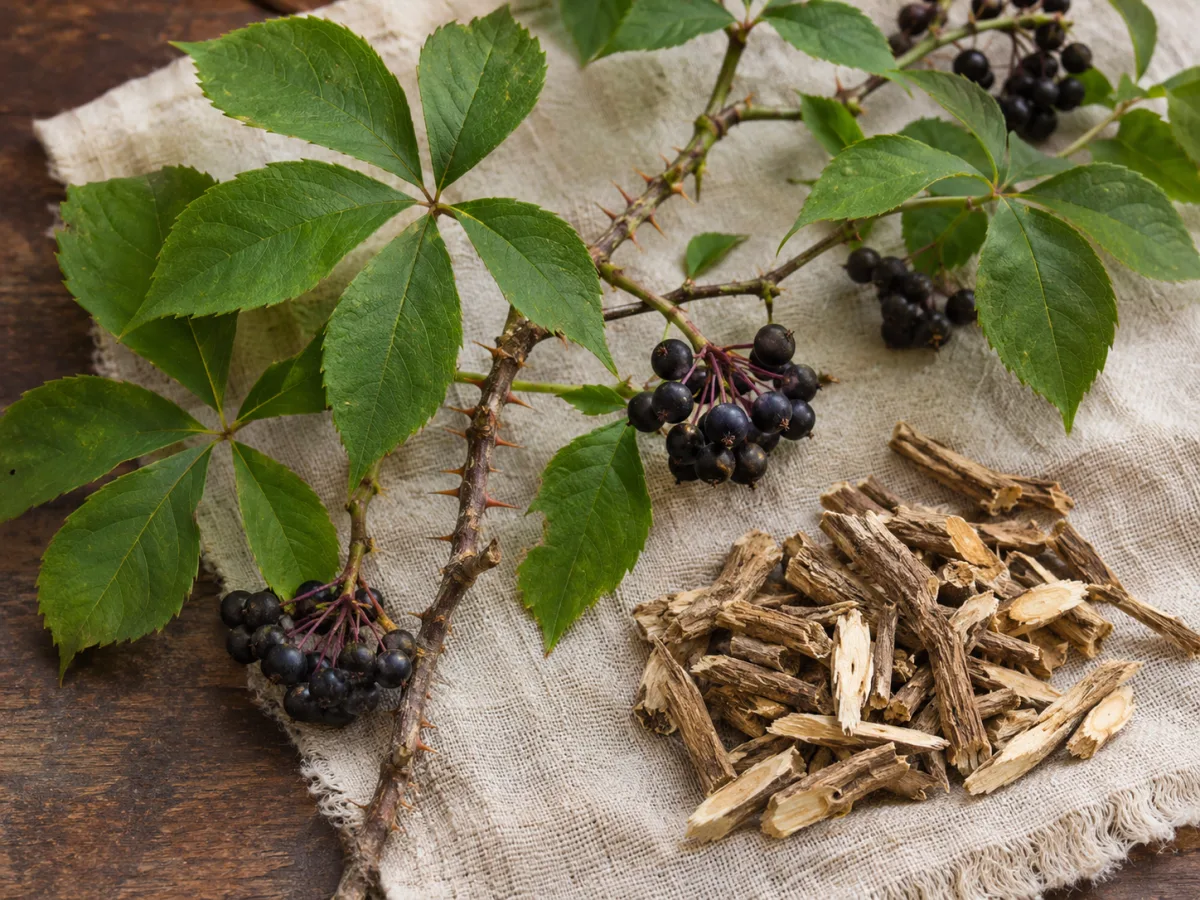
Eleuthero has long been sold under the name of 'Siberian ginseng'. The nickname has helped its popularity, but it creates botanical confusion: this plant does not belong to the Panax genus.
Its real name
Eleutherococcus senticosus is a shrub of the Araliaceae family. It contains, in particular, compounds called eleutherosides, different from the ginsenosides of Asian ginseng.
Why is it considered an adaptogen?
Its modern history is linked to research on resistance to fatigue and stress. As with other plants grouped under this term, popular uses have often progressed faster than robust clinical evidence.
Do not extrapolate from ginseng
A study conducted with Panax ginseng does not allow us to conclude about eleuthero. Even the type of extract and the part used must match before comparing results.
Product quality
The label must display the Latin name, the root used, the type of extract and quality controls. The word 'Siberian' alone is not enough. Proprietary blends can mask a small quantity.
Precautions
Particular vigilance is reasonable in case of cardiovascular disorder, high blood pressure, sleep disorders or regular treatment. Pregnancy, breastfeeding and childhood require professional advice due to insufficient data.
To remember: this content is informative and does not replace a medical opinion. In case of treatment, pregnancy, breastfeeding or chronic illness, ask for advice from a health professional.
Sources and method
Article based in particular on the syntheses of the NCCIH, the monographs of the European Medicines Agency and the recommendations of the Anses. Traditional uses are distinguished from clinical evidence.