Ashwagandha: side effects, contraindications and interactions
The risks of ashwagandha explained clearly: digestion, drowsiness, liver, thyroid and drug interactions.
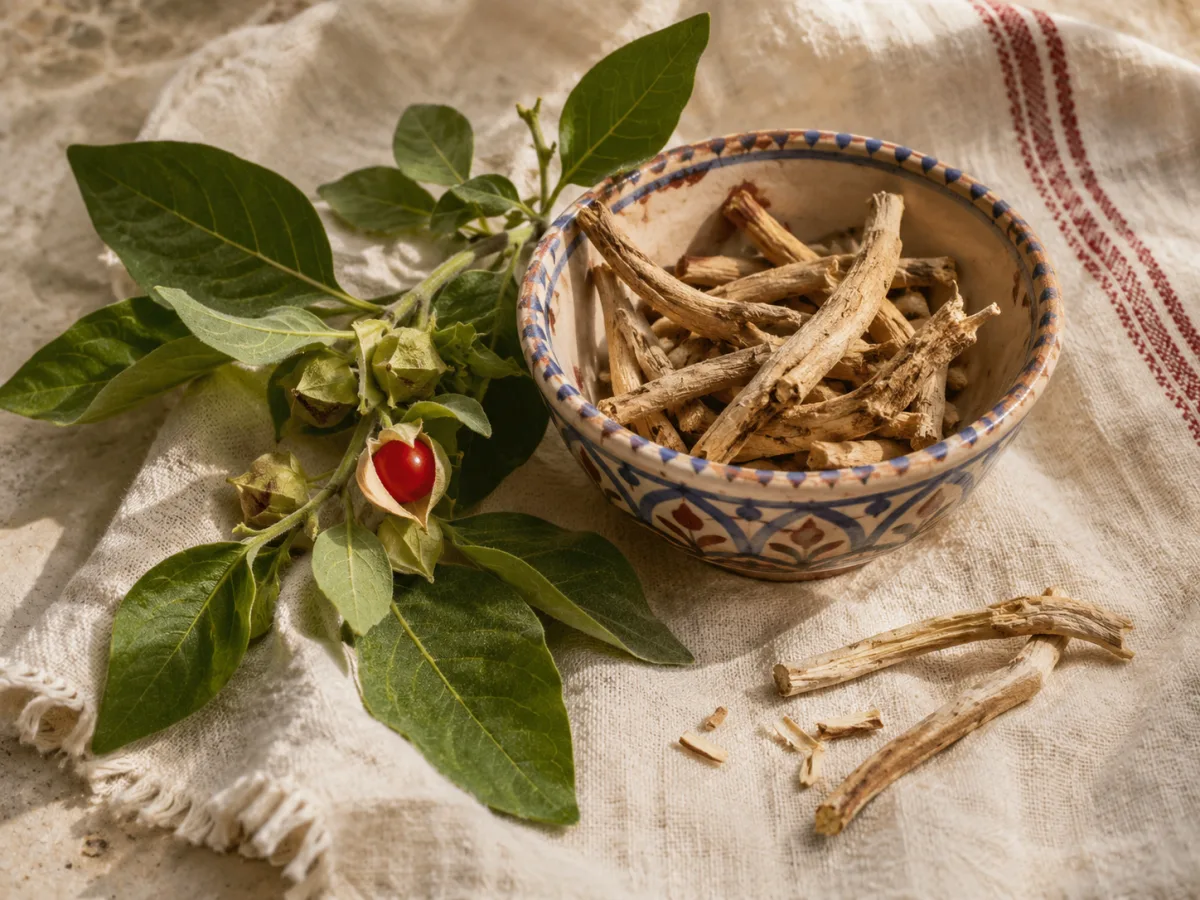
A plant can be traditional and biologically active. These two qualities explain both its potential interest and its risks. Ashwagandha does not escape this rule.
Frequent undesirable effects
Reported reactions include digestive discomfort, diarrhea, vomiting and drowsiness. They can appear quickly and justify stopping if they are marked.
Liver signal
Rare cases of liver damage have been associated with ashwagandha supplements. Abnormal fatigue accompanied by jaundice, itching, dark urine or pain under the ribs should lead to stopping the product and consulting quickly.
Thyroid and immunity
Ashwagandha can influence thyroid function and is not recommended without monitoring in people with thyroid disorders. It can also pose problems in certain autoimmune diseases or with immunosuppressive treatment.
Possible interactions
Caution is required with sedatives, anticonvulsants, thyroid hormones, diabetes or hypertension treatments and medications that decrease the immune response. The absence of visible interaction on a public application is not a guarantee.
Pregnancy, breastfeeding and surgery
Ashwagandha should be avoided during pregnancy and is not recommended during breastfeeding. A scheduled operation is a reason to report its consumption to the medical team and follow their stop instructions.
Declare an undesirable effect
Keep the packaging, batch number and list of other consumed products. This information is useful to healthcare professionals and nutrivigilance devices.
To remember: this content is informative and does not replace medical advice. In case of treatment, pregnancy, breastfeeding or chronic illness, ask for advice from a healthcare professional.
Sources and method
Article based in particular on the syntheses of the NCCIH, the monographs of the European Medicines Agency and the recommendations of the Anses. Research results are distinguished from traditional uses.