Adaptogenic Plants: Definition, Origin, and Limits of the Concept
What does "adaptogen" really mean? History of the concept, criteria, and scientific limits of a word that has become very marketing-oriented.
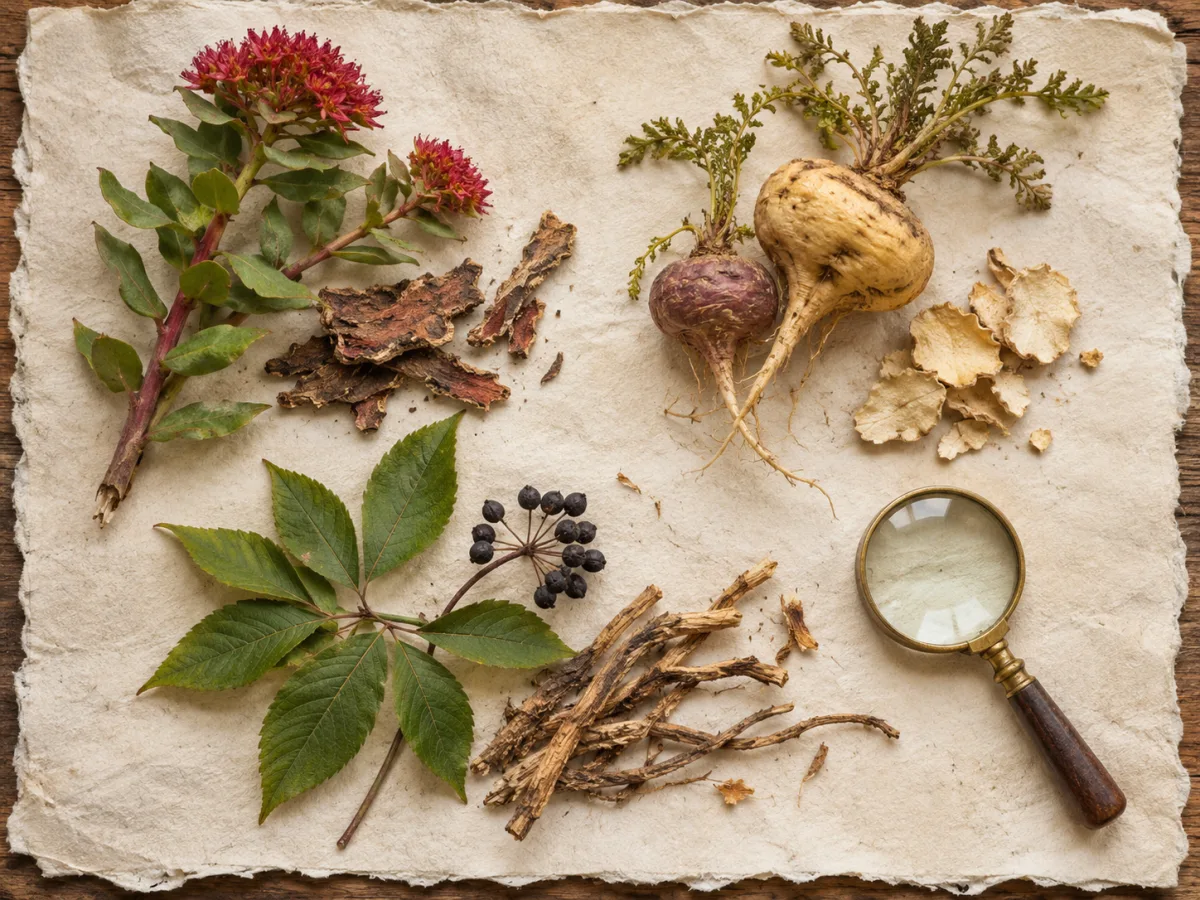
The term "adaptogen" appears on herbal teas, powders, coffees, and supplements. It seems scientific, but it does not correspond to a universally validated therapeutic category.
Where does the concept come from?
The word developed in the 20th century to describe substances that are supposed to increase general resistance to different stresses while helping to normalize certain functions. The criteria have evolved and remain difficult to verify in humans.
A commercial family, not botanical
The so-called adaptogenic plants do not belong to the same family. Ashwagandha, ginseng, rhodiola, and eleuthero have distinct compounds and usage histories. Grouping them does not make them equivalent.
Why the evidence is complicated
"Stress" can be psychological, physical, or biological. Studies use different extracts, durations, and criteria. A variation in a questionnaire or marker does not prove better overall health.
The proper use of the word
In a rigorous article, "adaptogen" should indicate a proposed or traditional use, not a certainty. Then, each plant, each preparation, and each objective must be examined separately.
The limits of marketing
A drink does not become therapeutic just because it contains a pinch of a plant. On the other hand, a concentrated extract can present interactions. The actual dosage, quality, and safety are more important than the product's aesthetics.
An individualized decision
The right question is not "what is the best adaptogen?", but "what problem are we trying to solve, with what evidence and what risks?".
To remember: this content is informative and does not replace medical advice. In case of treatment, pregnancy, breastfeeding, or chronic illness, consult a healthcare professional.
Sources and method
Article based in particular on the syntheses of the NCCIH, the monographs of the European Medicines Agency, and the recommendations of Anses. Traditional uses are distinguished from clinical evidence.