Red Ginseng or White Ginseng: Which to Choose?
The red and the white often come from the same plant. Their difference lies mainly in the transformation and the profile of the ginsenosides.
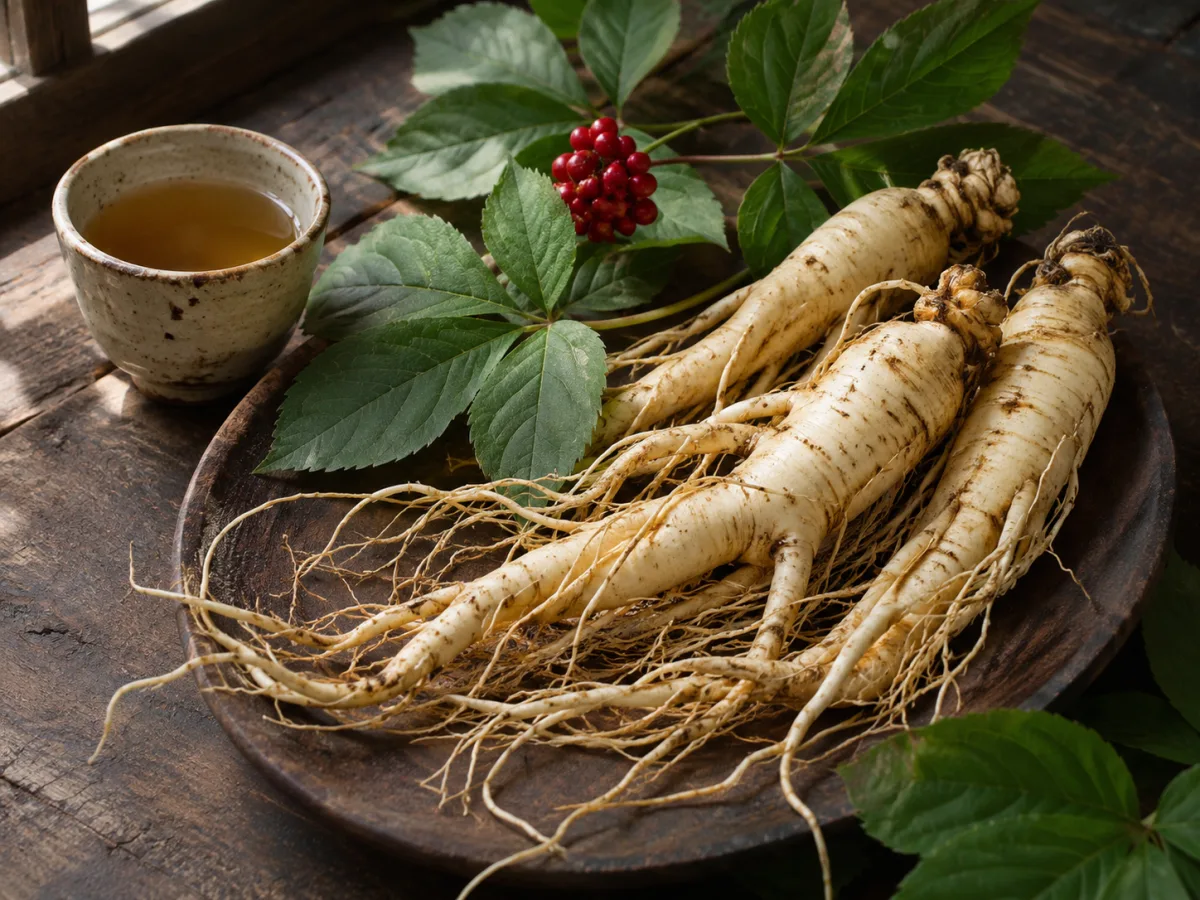
The comparison between red ginseng and white ginseng is often presented as a duel. In reality, they generally come from the same species, Panax ginseng, and differ mainly in their preparation after harvesting.
How is White Ginseng Obtained?
White ginseng is cleaned and then dried. The root retains a light color. According to producers, it may be peeled or not, and the drying conditions influence its composition.
Why is Red Ginseng Red?
The root is steam-treated before being dried. The heat alters some ginsenosides and gives a darker tint. This process also improves preservation, but does not prove that the product is better for every goal.
Comparing the Good Elements
Look at the species, origin, part used, type of extract, standardization, quantity actually provided, and contaminant analyses. Color and the word "premium" count less than traceability.
The Level of Evidence
Trials have studied different preparations, but their results are not interchangeable. A study favorable to Korean red ginseng does not automatically validate a white powder, and vice versa.
The Practical Choice
First, choose a clearly identified and controlled product, then check its compatibility with your situation. If you are sensitive to stimulants or prone to insomnia, be particularly careful. In case of diabetes treatment, anticoagulant, or autoimmune disease, seek professional advice.
To Remember: this content is informative and does not replace a medical opinion. In case of treatment, pregnancy, breastfeeding, or chronic illness, seek advice from a health professional.
Sources and Method
Article based in particular on the syntheses of the NCCIH, the monographs of the European Medicines Agency, and the recommendations of the Anses. Research results are distinguished from traditional uses.