Ashwagandha and Stress: What Do Studies Really Say?
Ashwagandha is often sold as a stress remedy. Here is what studies actually show, without excessive promises.
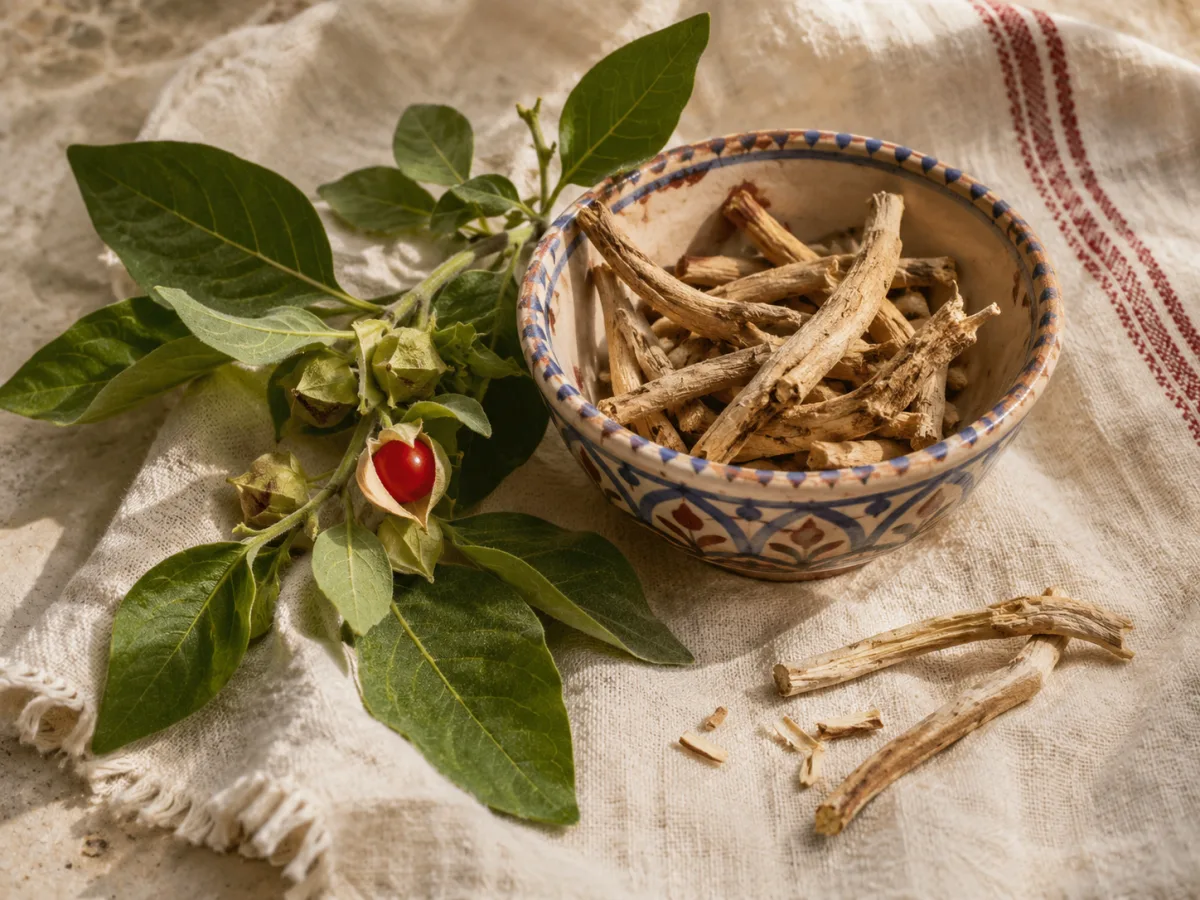
Stress has become the central argument for ashwagandha-based products. The formula "reduces cortisol" appears everywhere, while the scientific reality is more nuanced: a few trials are encouraging, but they do not describe a universal solution or a guaranteed effect.
What Kind of Stress Are We Talking About?
Studies generally observe perceived stress in adults, sometimes using questionnaires and biological markers. This does not mean that ashwagandha treats anxiety disorders, depression, or professional burnout. These situations require an adapted evaluation.
Preparations That Are Difficult to Compare
Root alone, mixture of root and leaves, concentrated extract, different withanolide content: two products with the same name can be very different. The duration of trials, often a few weeks, also limits the conclusions about long-term use.
The Most Honest Result
Institutional syntheses estimate that certain preparations can modestly improve stress or sleep in some people. They also highlight the small number of participants and the heterogeneity of products. The right vocabulary is therefore "could help", and not "combats stress".
Before Looking for a Plant
Irregular sleep, high caffeine consumption, uncontrollable workload, or persistent pain can maintain stress. Daily measures and psychological support often have more solid evidence. A possible supplement comes after, not instead.
When to Abstain
Pregnancy, breastfeeding, thyroid disorder or autoimmune disease, upcoming surgery, and regular treatments justify a discussion with a professional. Stop the product and consult in case of jaundice, dark urine, unusual abdominal pain, or allergic reaction.
To Remember: this content is informative and does not replace a medical opinion. In case of treatment, pregnancy, breastfeeding, or chronic illness, ask for advice from a healthcare professional.
Sources and Method
Article based in particular on the syntheses of the NCCIH, the monographs of the European Medicines Agency, and the recommendations of Anses. Research results are distinguished from traditional uses.