Ashwagandha and sleep: real help or fad effect?
Sleep, falling asleep, recovery: what we know about ashwagandha and the limitations of available trials.
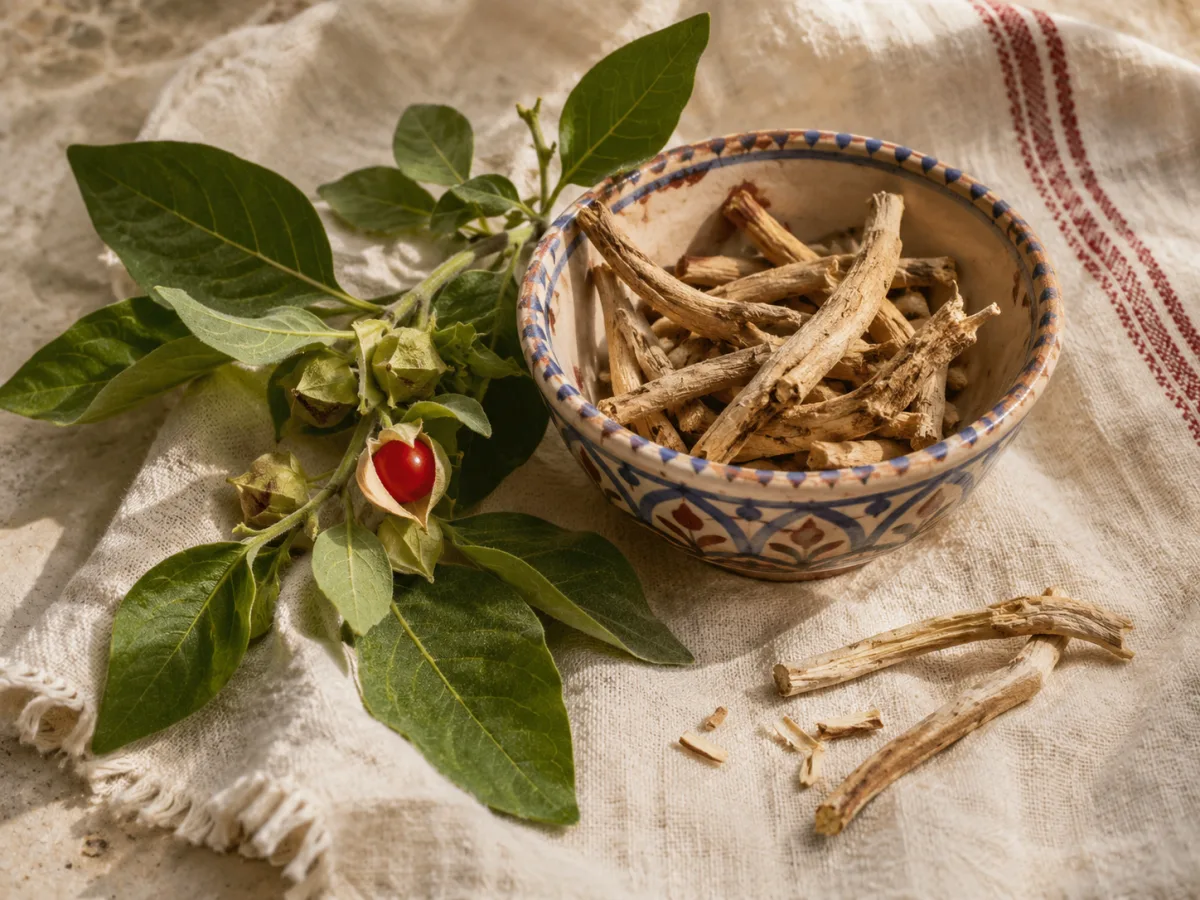
We now find ashwagandha in evening powders, drinks, and "night" complexes. The idea seems logical since some preparations have shown a favorable signal on sleep. However, this signal must be read with caution.
What the trials measure
Researchers observe, in particular, the time it takes to fall asleep, total duration, awakenings, and perceived quality. Some studies suggest a modest improvement, especially in people who sleep poorly. This does not allow us to conclude that all extracts are effective or that the effect persists in the long term.
Drowsiness is not restorative sleep
A product can cause drowsiness without correcting the cause of awakenings. Sleep apnea, restless legs, reflux, pain, anxiety, or irregular schedules require a specific response. Intense snoring accompanied by respiratory pauses deserves a consultation.
The trap of mixtures
Evening formulas often combine ashwagandha, melatonin, magnesium, and sedative plants. They make it difficult to identify the useful ingredient or the one responsible for an undesirable effect. Starting several products at the same time further blurs observation.
A more solid approach
A regular wake-up time, natural light in the morning, reduced late-night screen time, and limited caffeine after the start of the afternoon constitute a more reliable basis. If insomnia persists, structured behavioral approaches are a priority.
Safety
Ashwagandha can cause drowsiness and digestive problems. It can enhance the effect of sedative medications and interact with other treatments. Avoid driving if you feel a decrease in vigilance. Pregnancy and breastfeeding are exclusion situations.
To remember: this content is informative and does not replace medical advice. In case of treatment, pregnancy, breastfeeding, or chronic illness, consult a healthcare professional.
Sources and method
Article based in particular on the syntheses of the NCCIH, the monographs of the European Medicines Agency, and the recommendations of the ANSES. Research results are distinguished from traditional uses.