The Best Natural Antidepressants Based on Plants
When morale is low, we often look for a gentle solution before seeking medical help. Certain plants have been studied and can really help with mild to moderate mood swings. However, a "natural antidepressant" is not a harmless product: some plants have significant interactions, and real depression deserves support.
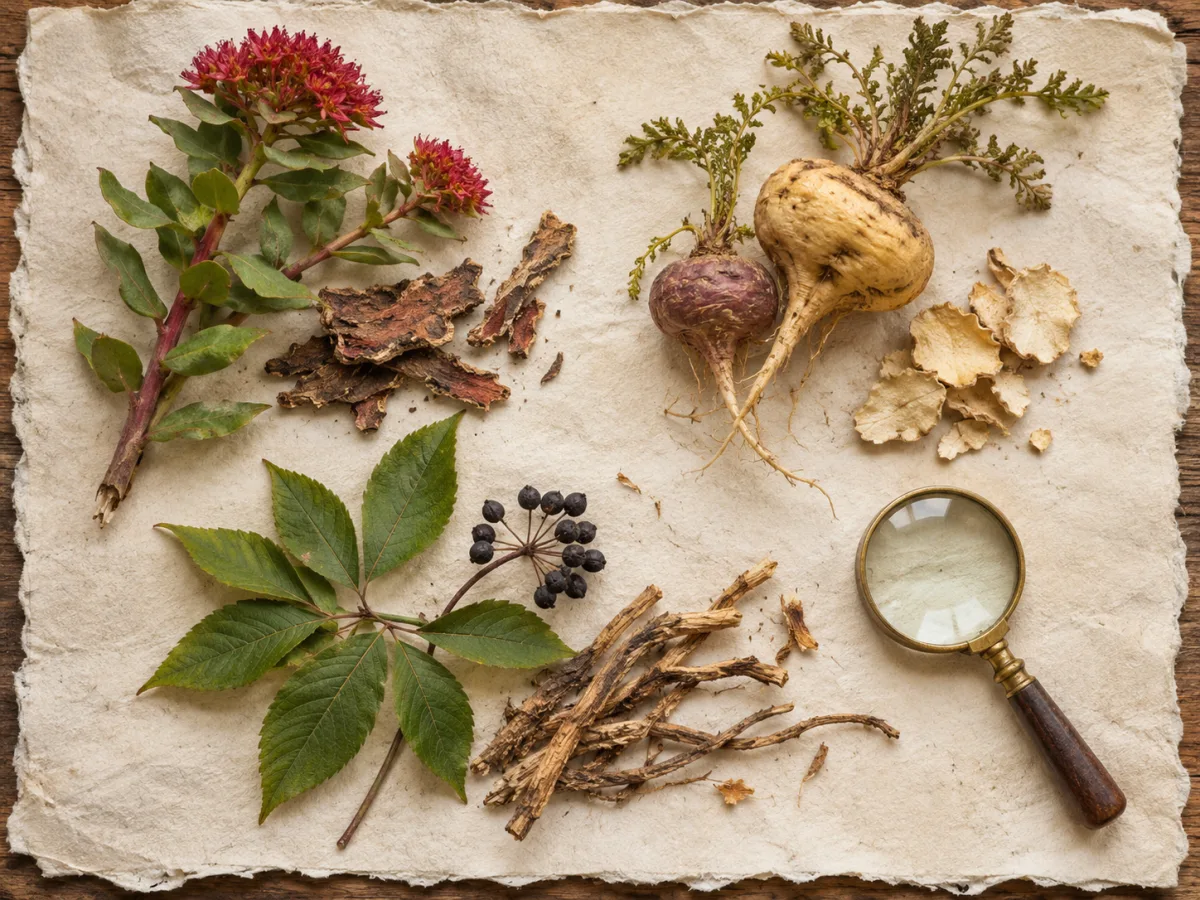
When morale is low, we often look for a gentle solution before seeking medical help. Certain plants have been studied and can really help with mild to moderate mood swings. However, a "natural antidepressant" is not a harmless product: some plants have significant interactions, and real depression deserves support.
This guide presents the best-documented mood plants, their mode of action, and their limitations.
Firstly: Low Morale or Depression?
A temporary low mood, linked to an event, fatigue, or winter, is different from depression. The signs that should prompt a consultation include:
- a sadness or loss of interest that lasts more than two weeks;
- significant sleep and appetite disorders;
- intense fatigue, difficulty concentrating;
- a feeling of worthlessness or guilt;
- dark thoughts.
If you have suicidal thoughts, contact a healthcare professional or emergency service immediately. In France, the national suicide prevention number is 3114, available 24/7.
The plants presented here are aids for mild to moderate forms, ideally in agreement with a doctor.
How Morale is Linked to the Body
Mood depends on neurotransmitters like serotonin (well-being, sleep, satiety), dopamine (motivation, pleasure), and noradrenaline (energy). In endobiogeny, morale is also linked to:
- the corticotrope axis: prolonged stress exhausts the adrenal glands and favors low morale;
- the thyroid: a slow thyroid slows down everything, including mood;
- feminine hormones: fluctuations in estrogen and progesterone influence morale (premenstrual syndrome, postpartum, menopause);
- the neurovegetative system: chronic imbalance between sympathetic and parasympathetic systems wears out the body.
This is why the choice of a plant also depends on the individual's condition.
The Best-Studied Mood Plants
St. John's Wort: The Reference
St. John's Wort: this is the most studied antidepressant plant. In mild to moderate depression, many trials show an effectiveness comparable to certain synthetic antidepressants. Its weak point: it interacts with many medications, including the pill, anticoagulants, and antidepressants.
Saffron: The Mood Spice
Saffron: several clinical trials have shown its interest in mild to moderate depression, at around 30 mg of extract per day. It is particularly interesting for mood related to premenstrual syndrome. It has the advantage of having fewer interactions than St. John's Wort.
Griffonia: The Serotonin Precursor
Griffonia: its seeds provide 5-HTP, which the brain transforms into serotonin. It is useful when low morale is accompanied by irritability, sleep disorders, and sugar cravings in the evening. It should never be associated with an antidepressant.
Rhodiola: When Morale is Worn Out by Stress
Rhodiola: this adaptogenic plant is useful for exhaustion-related depression, after a long period of overwork. It gives energy and improves concentration.
Supporting Plants
Lavender: it soothes anxiety that often accompanies low morale.
Passionflower: for mild anxiety-depressive states, with ruminations.
Clary Sage: in olfaction, it is balancing and used for morale related to hormonal fluctuations.
Which Plant According to Your Situation?
| Situation | Plants to Prioritize |
|---|---|
| Mild to Moderate Low Morale | St. John's Wort, Saffron |
| Morale and Premenstrual Syndrome | Saffron, Griffonia |
| Morale, Sleep, Sugar Cravings | Griffonia |
| Morale Worn Out by Stress | Rhodiola |
| Low Morale with Anxiety | Passionflower, Lavender |
| Taking the Pill or Other Medications | Saffron (rather than St. John's Wort), on advice |
Why Never Associate These Plants Without Advice
St. John's Wort and Griffonia both increase serotonin. Associated with each other or with an antidepressant, they can cause a serotonin syndrome: agitation, sweating, tremors, fever, cardiac rhythm disorders. This is a potentially serious situation. Never combine these plants with a mood treatment without your doctor's agreement.
What Supports Morale Daily
- Light: expose yourself to daylight in the morning, especially in winter.
- Movement: regular physical activity has a proven effect on morale.
- Diet: omega-3 (fatty fish, nuts), magnesium, vitamins B and D are often involved.
- Social Bond: talking, being surrounded, not staying isolated.
- Sleep: regular sleep is a pillar of emotional balance.
Precautions
- St. John's Wort reduces the effectiveness of the pill and many treatments.
- No St. John's Wort, Griffonia, or high-dose Saffron during pregnancy.
- Rhodiola and St. John's Wort are contraindicated in case of bipolar disorder.
- Never stop an antidepressant to replace it with a plant without medical supervision.
FAQ
What is the best natural antidepressant? St. John's Wort is the most studied. Saffron is a good alternative, with fewer interactions.
How long does it take for an antidepressant plant to work? Generally 2 to 4 weeks for St. John's Wort, 4 to 6 weeks for Saffron.
Can an antidepressant be replaced by a plant? Not without your doctor's agreement. Stopping an antidepressant must be progressive and supervised.
Is Griffonia dangerous? It is generally well-tolerated alone, but it should never be associated with an antidepressant.
All the Plants in this Guide
- Griffonia (Griffonia simplicifolia)
- Lavender (Lavandula angustifolia)
- St. John's Wort (Hypericum perforatum)
- Passionflower (Passiflora incarnata)
- Rhodiola (Rhodiola rosea)
- Saffron (Crocus sativus)
- Clary Sage (Salvia sclarea)
The information in this article is provided for educational purposes and does not replace the advice of a doctor, pharmacist, or professional trained in phytotherapy. Seek advice before any treatment, especially in case of pregnancy, breastfeeding, medication, or chronic illness.