Descaling a Kettle with Citric Acid or Vinegar: A Reasoned Comparison
Discover how to descale your kettle safely with citric acid or vinegar, following the manufacturer's instructions and taking precautions to avoid damage.
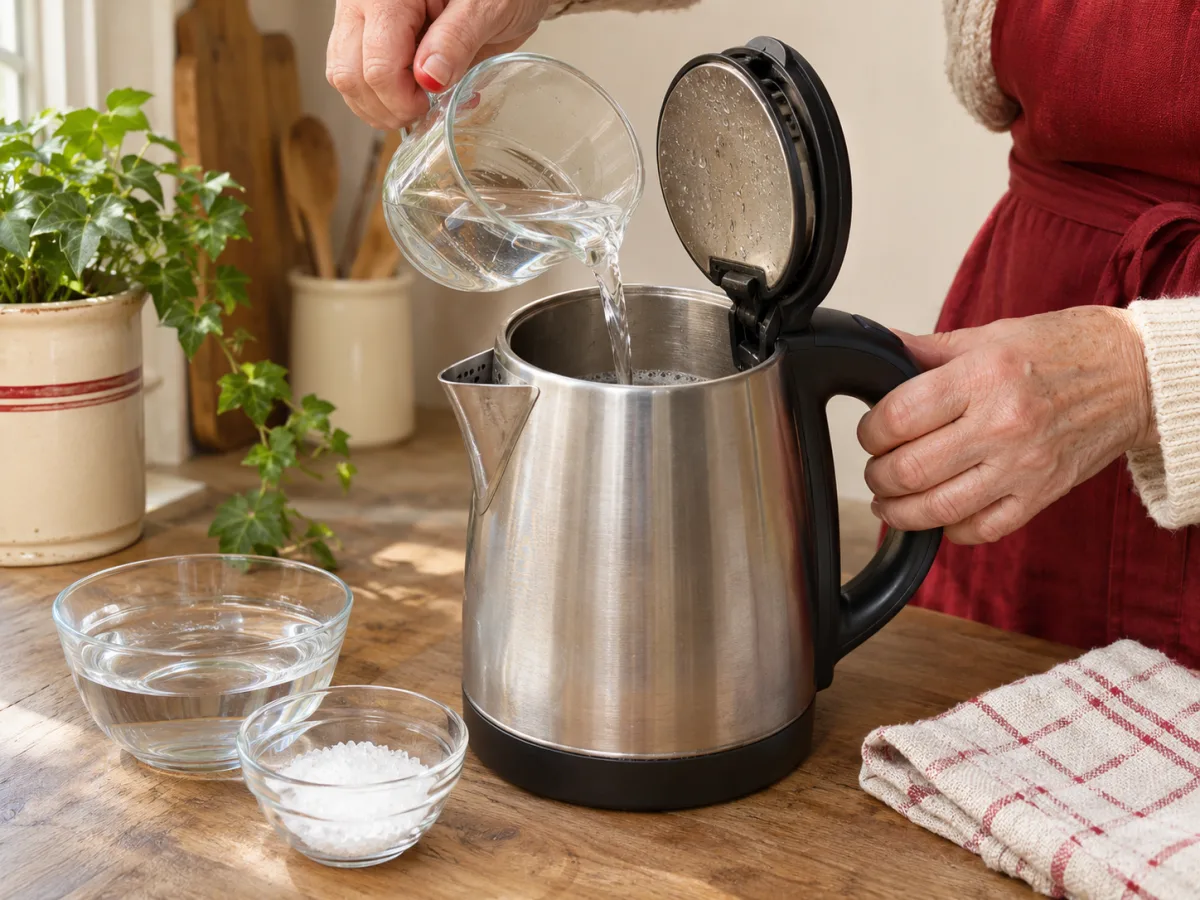
Introduction
Descaling a kettle is an essential task to maintain its efficiency and lifespan. Two methods are commonly used: citric acid and vinegar. In this article, we will compare these two methods and explain how to use them safely.
Understanding Limescale
Limescale is a mineral deposit that forms inside the kettle during water evaporation. It is composed of calcium and magnesium carbonate, which can come from tap water. Limescale can reduce the kettle's performance, increase energy consumption, and even cause health problems.
The Risks of Limescale
Limescale can cause problems such as:
- A reduction in heating power
- An increase in energy consumption
- Limescale deposits in pipes and appliances
- Health problems, such as digestive issues and allergies
Method 1: Citric Acid
Citric acid is a natural product that can be used to descale kettles. It is available in powder or liquid form and can be purchased in stores or online.
How to Use Citric Acid
To descale a kettle with citric acid, follow these steps:
- Mix 1 tablespoon of citric acid with 1 liter of water
- Fill the kettle with the solution
- Let it sit for 30 minutes to 1 hour
- Rinse the kettle with hot water
- Repeat the process if necessary
Method 2: Vinegar
Vinegar is another natural product that can be used to descale kettles. It is available in white vinegar or apple cider vinegar form.
How to Use Vinegar
To descale a kettle with vinegar, follow these steps:
- Mix 1 part vinegar with 2 parts water
- Fill the kettle with the solution
- Let it sit for 30 minutes to 1 hour
- Rinse the kettle with hot water
- Repeat the process if necessary
Precautions and Safety
It is essential to take precautions when descaling a kettle to avoid damage and accidents. Here are some tips:
- Read the manufacturer's instructions before starting
- Wear gloves and protective glasses
- Avoid mixing citric acid or vinegar with other chemicals
- Rinse the kettle with hot water after each use
Conclusion
Descaling a kettle is an important task to maintain its efficiency and lifespan. Citric acid and vinegar are two natural and effective methods for descaling kettles. By following the manufacturer's instructions and taking precautions, you can descale your kettle safely and avoid damage. Remember to rinse the kettle with hot water after each use to prevent limescale deposits and maintain your kettle's performance.