Degreasing a kitchen hood without damaging it: a diagnostic guide by material
Learn to clean your kitchen hood and its filters without damaging the stainless steel, aluminum, or painted surfaces. Discover what can go in the dishwasher and how to proceed for effective maintenance.
Introduction
The kitchen hood is an essential element for maintaining a healthy and pleasant atmosphere in your culinary space. However, over time, it can become a receptacle for grease and kitchen particles, which can lead to health and safety problems. In this article, we will guide you through the steps to degrease your kitchen hood and its filters without damaging the stainless steel, aluminum, or painted surfaces.
Material diagnosis
Before starting, it is essential to determine the type of material used for your kitchen hood and its filters. The most common materials are stainless steel, aluminum, and painted surfaces. Each material requires specific treatment to avoid damage.
Stainless steel
Stainless steel is a resistant and easy-to-clean material. To degrease a stainless steel hood, you can use a mixture of warm water and mild soap. Apply the mixture to the surface using a soft cloth, then rinse thoroughly with warm water. For stubborn stains, you can use a specific cleaning product for stainless steel, but be sure to follow the manufacturer's instructions.
Aluminum
Aluminum is a more delicate material than stainless steel and requires more careful cleaning. To degrease an aluminum hood, use a mixture of warm water and baking soda. Apply the mixture to the surface using a soft cloth, then rinse thoroughly with warm water. Avoid using abrasive products or aggressive detergents, as they can damage the surface.
Painted surfaces
Painted surfaces require even more careful cleaning to avoid degrading the paint. To degrease a hood with painted surfaces, use a mixture of warm water and mild soap. Apply the mixture to the surface using a soft cloth, then rinse thoroughly with warm water. Avoid using aggressive chemicals or abrasive detergents, as they can damage the paint.
Filter cleaning
Your kitchen hood filters must be cleaned regularly to maintain their effectiveness. Here's how to proceed:
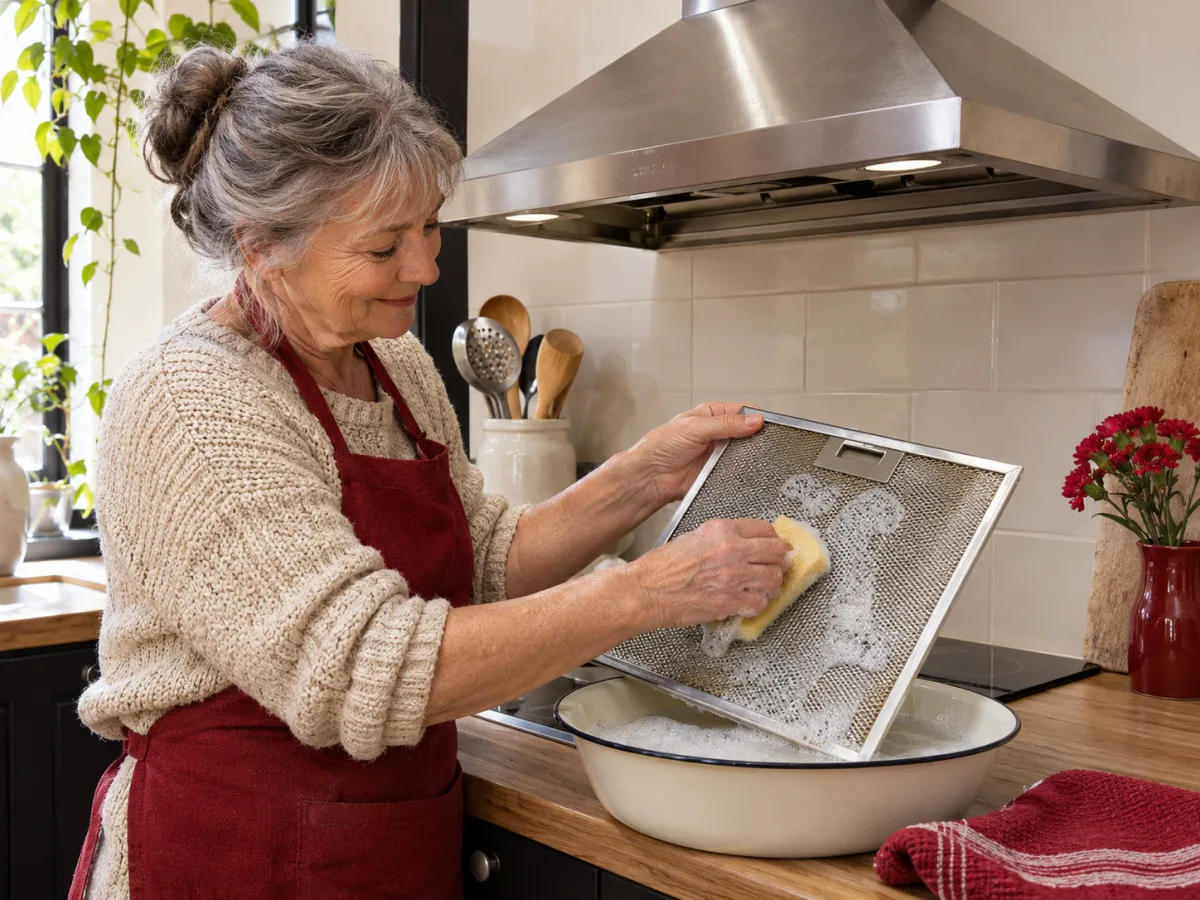
- Remove the filters from the hood and place them in a basin filled with warm water and mild soap.
- Let them soak for about 30 minutes to allow the grease and particles to come off.
- Rinse the filters thoroughly with warm water to remove any soap residue.
- Wipe the filters with a soft cloth to dry them and put them back in place.
Dishwasher use
Certain parts of your kitchen hood can be washed in the dishwasher, but it is essential to check the manufacturer's instructions before proceeding. Stainless steel and aluminum elements can generally be washed in the dishwasher, but painted surfaces must be cleaned by hand to avoid damage.
Safety tips
When cleaning your kitchen hood, make sure to take the following precautions:
- Wear gloves to protect your hands from chemicals and abrasive surfaces.
- Use stable ladders or step stools to access the high parts of the hood.
- Avoid using aggressive chemicals or abrasive detergents, as they can damage surfaces or cause skin irritation.
Conclusion
Cleaning your kitchen hood and its filters without damaging the stainless steel, aluminum, or painted surfaces requires a little care and attention. By following the steps and tips presented in this article, you can keep your kitchen hood in good condition and ensure a healthy and pleasant atmosphere in your culinary space. Don't forget to check the manufacturer's instructions before cleaning your elements and take the necessary precautions to avoid accidents and damage.